
Request an Appointment

BY PHONE



by Rosie Mahendran MScPT
Registered Pelvic Physiotherapist
updated Nov 27, 2025
Erectile dysfunction (ED) is more common than most people realize, and it can impact confidence, relationships, and overall quality of life. While ED is often discussed as a medical or psychological issue, pelvic floor physiotherapy is an evidence-supported, non-invasive treatment option that can significantly improve erectile function.
Whether ED is related to physical factors, stress, surgery, or a combination of causes, understanding how erections work and how the pelvic floor contributes can make physiotherapy a highly effective part of treatment.
What Is Erectile Dysfunction (ED)?
Erectile dysfunction is the inability to achieve or maintain an erection firm enough for satisfying sexual activity. It may occur occasionally or become persistent over time.
Organic ED vs. Psychogenic ED
Organic ED is linked to physical or physiological changes. People often notice:
- Reduced or altered nocturnal erections (3-5 erections that happen overnight and don’t require sexual stimulation)
- Issues with blood flow, nerve pathways, or tissue health
Common causes include:
- Diabetes
- Cardiovascular disease
- Hormonal changes
- Pelvic or prostate surgery
- Prostate cancer treatment
Psychogenic ED occurs when the physical erection mechanism is intact (as shown by normal nocturnal erections), but mental or emotional factors interfere.
Possible contributors:
- Stress
- Anxiety
- Depression
- Performance pressure
- Relationship challenges
Most individuals experience a mix of both organic and psychogenic factors, which is why a whole-person approach is essential.
How Does an Erection Work?
The Flaccid State
When the penis is soft, the muscles inside it stay slightly tight. This allows just enough blood flow to nourish the tissue without creating an erection.
During Sexual Arousal
- The body sends chemical signals that tell the muscles in the penis to relax.
- This lets more blood rush in, filling small chambers called sinusoids.
- As these chambers fill, the veins that normally let blood leave become compressed, trapping blood to create firmness.
- Increasing blood pressure makes the penis rise and become hard.
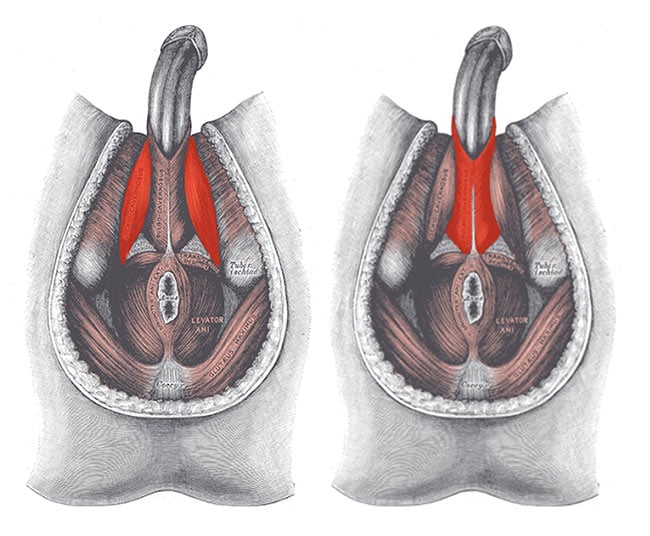
- Pelvic floor muscles play a key role:
- The ischiocavernosus helps maintain rigidity.
- The bulbospongiosus assists with forceful ejaculation by pushing semen out.
Risk Factors for Erectile Dysfunction
ED often results from several overlapping factors.
Behavioural
- Smoking
- Sedentary lifestyle
- Heavy or chronic alcohol use
Medications
- Antihypertensives
- Antidepressants
- Antipsychotics
Psychosocial
- Stress
- Anxiety
- Depression
- Performance-related fear
Medical Conditions
- Diabetes
- High cholesterol
- High blood pressure
- Obesity
- Neurological conditions
- Peyronie’s disease
Injury or Surgery
- Spinal cord injury
- Pelvic trauma
- Bladder or prostate surgery
- Penile injury
Prostate Cancer Treatment
- Radiation
- Prostate surgery
Medical Treatment for Erectile Dysfunction
Medications
- PDE5 inhibitors (Viagra, Cialis)
- Intra-urethral alprostadil
- Intracavernosal injections
Surgical Options
- Microsurgical procedures
- Penile implants
Emerging Therapies
- PRP
- Stem cell therapy
- Hydrogels
- Shockwave therapy
How Pelvic Physiotherapy Helps Erectile Dysfunction
Pelvic physiotherapy focuses on the muscles, nerves, blood flow, and biomechanics involved in sexual function.
Why the Pelvic Floor Matters
Key pelvic floor muscles including the ischiocavernosus and bulbospongiosus help:
- Maintain penile rigidity
- Trap blood in the erectile tissues
- Coordinate erection, orgasm, and ejaculation
- Support nerve function and blood flow
Problems can arise from:
- Weak pelvic floor muscles
- Excess tension or clenching
- Poor muscle coordination
- Nerve irritation
- Postural or breathing dysfunction
- Surgical changes (e.g., prostatectomy)
Pelvic physiotherapy addresses all these contributors.
The Nervous System: Stress, Anxiety & Depression
Erectile Dysfunction is heavily influenced by the nervous system. Stress, anxiety, and depression don’t just affect mood they create physical changes that interfere with erections.
How Stress & Anxiety Affect Erections
- Increased activation of the “fight or flight” system
- Reduced penile muscle relaxation
- Difficulty maintaining blood flow
- Pelvic floor tightness or clenching
- Shallow breathing that disrupts pelvic pressure
How Depression Contributes
- Lower dopamine and serotonin (hormones that help improve mood)
- Reduced arousal and desire
- Low motivation and fatigue
- Possible medication side effects (e.g., SSRIs)
How Pelvic Physiotherapy Helps Regulate the Nervous System
- Teaching relaxation of overactive pelvic floor muscles
- Breath training to reduce pelvic tension
- Movement-based nervous system regulation
- Body-based stress and anxiety reduction strategies
- Improved awareness and voluntary control of pelvic muscles
What Does Pelvic Physiotherapy Treatment for ED Include?
1. Pelvic Floor Strengthening
To improve the muscular power needed for erection firmness and sustainability.
2. Pelvic Floor Downtraining
To relax tight or overactive muscles especially important in stress-related ED.
3. Biofeedback & Electrical Stimulation
A small internal probe can deliver gentle electrical stimulation to activate and strengthen weak pelvic floor muscles.
This helps improve strength, endurance, and coordination, especially when voluntary contraction is difficult.
4. Manual Therapy
Soft tissue release for the pelvic floor, hips, abdomen, and low back to improve mobility and circulation.
5. Nervous System Regulation
- Breathing retraining
- Relaxation strategies
- Techniques to reduce “fight or flight” activation
6. Mobility & Postural Programs
Improving hip and spine mobility to reduce nerve irritation and support optimal pelvic function.
7. Exercise & Lifestyle Guidance
Supporting cardiovascular health, movement, and habits that improve sexual health.
8. Home Exercise Program
A tailored routine to support long-term improvement between sessions.
When to Seek Help for Erectile Dysfunction
You may benefit from pelvic physiotherapy if you experience:
- Difficulty maintaining erections
- Reduced firmness
- Pelvic or penile pain
- Changes after prostate surgery
- Signs of pelvic floor tension or weakness
- ED accompanied by stress, anxiety, or depression
Erectile dysfunction is a multifactorial condition, but pelvic physiotherapy is a powerful, evidence-based treatment that addresses the muscular, neurological, and physical components involved in erections. By improving pelvic floor strength, reducing tension, enhancing blood flow, and supporting nervous system regulation, physiotherapy can significantly improve erectile function and sexual confidence.
Emotional and Psychological Support for Erectile Dysfunction
Erectile dysfunction can lead to frustration, shame, and relationship stress, often influenced by anxiety, performance pressure, lifestyle factors, and past experiences. Sex therapy addresses the emotional and psychological aspects, helping men develop relaxation skills, mindfulness, and strategies to reduce sexual anxiety. Unleash Synergy takes a holistic approach that integrates mind–body awareness with practical strategies to support sexual well-being. The therapy combines education, guided exercises, and individualized techniques to help men better understand their bodies, reduce sexual anxiety, and build confidence. These approaches also encourage comfort, connection, and intimacy with partners, supporting a more relaxed and fulfilling sexual experience. Learn more about how sex therapy can help with erectile dysfunction.
If you’re experiencing symptoms of Erectile Dysfunction, a pelvic health physiotherapist can provide a personalized assessment and guide you toward meaningful, long-term improvement while working alongside your full healthcare team.


Questions? We're happy to help!
Choosing the right service provider can be a big decision. We’re dedicated to answering any questions you have to help you make the best choice. Contact us today and ask us anything!
Call us at (416) 238-6749Request More Information
