This program is delivered virtually and is available to all residents of Ontario, British Columbia or Alberta.
What is PTLDS?
While most people recover from Lyme disease after a course of antibiotics, about 10-20% continue to experience symptoms that can last for months or years. This is known as Post-Treatment Lyme Disease Syndrome. It can feel as though the initial infection “flipped a switch” in your body that won’t turn off, leaving you in a state of chronic discomfort and exhaustion.
Why Do I Still Feel Sick?
Even after the Borrelia burgdorferi bacteria is gone, the body’s immune system can remain in a state of hyper-arousal. This can lead to:
- Persistent Inflammation: An overactive immune response that affects joints and tissues.
- Autoimmune Triggering: The infection may have confused your immune system, causing it to attack healthy cells.
- Neurological Sensitization: Your nerves may remain hypersensitive, amplifying pain signals even after the initial threat is resolved.
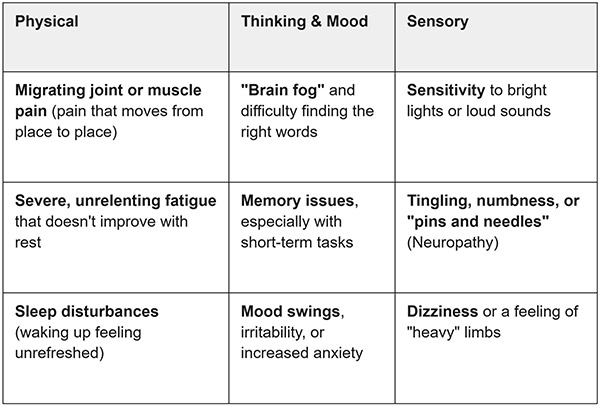
Common Signs and Symptoms
How our PTLDS Assessment Works
- Identifying Limiting Symptoms: Like other post-infection conditions, PTLDS can present with a wide array of symptoms. We aim to take an inventory of these symptoms and put together a plan to address the most limiting ones first.
- Neurological Screening: We check for signs of small fiber neuropathy or autonomic dysfunction with tests like the 10 minute stand test.
- Pacing Baseline: Like Long COVID, we assess for Post-Exertional Malaise (PEM) to ensure we don’t over-stress your system.
Our Approach to Treatment for Post Treatment Lyme Disease Syndrome
We focus on recalibrating your body’s response to the lingering effects of the infection:
- Nervous System Desensitization: Using neuro-calming techniques to turn down the volume on chronic pain signals and move your brain out of high-alert mode.
- Joint & Tissue Health: Implementing gentle, low-impact movements to restore mobility and ease stiffness without triggering a systemic crash.
- Pacing & Energy Management: Applying the 70% Rule and biometric monitoring (via wearables) to help you stay within your “Energy Envelope” and avoid Post-Exertional Malaise (PEM).
Using Technology to Guide Your Recovery
Recovery from PTLDS can feel like a “two steps forward, one step back” journey. We use biometric data monitoring to make those steps more predictable.
- Tracking the “Crash” (PEM): Many PTLDS patients experience a surge in symptoms after effort. We use your wearable data to monitor your heart rate during activity. By identifying your “anaerobic threshold,” we can set alerts to tell you when to slow down before you trigger a multi-day flare.
- HRV Trend Analysis: Heart Rate Variability (HRV) is our window into your autonomic nervous system. We track these trends to see if your body is recovering from the initial infection’s impact or if you are stuck in a “fight or flight” state, allowing us to adjust your treatment plan in real-time.
A Team Approach
- Physiotherapy: Our physiotherapists prioritize stabilizing your system over traditional exercise to ensure we don’t trigger a flare or PEM. By using heart-rate-monitored movement, we help you slowly rebuild your physical tolerance while keeping your symptoms controlled.
- Occupational Therapy (OT): PTLDS can make daily chores and office work feel impossible. Our OTs help with “energy conservation” techniques—finding ways to modify your environment and your schedule so you can stay productive without exhausting your limited energy reserves.
- Registered Dietetics: Persistent inflammation is a major driver of PTLDS symptoms. Our Dietitians specialize in anti-inflammatory protocols that support gut health and immune regulation, helping to “calm” the systemic inflammation that often lingers after the bacteria is gone.
Our Clinical Advisory Team

Dr. Todd Davenport
Physical Therapist, Professor and Researcher
Read their bio here
Frequently Asked Questions
Is PTLDS the same as a chronic infection?
While the symptoms feel very similar, PTLDS is generally understood as the body’s persistent immune and inflammatory response after the initial Lyme infection has been treated with antibiotics. Our program focuses on managing this overactive internal response and rehabilitating the nervous system.
How do I know if I’m pushing myself too hard?
We use your biometric data (like Heart Rate Variability) and other metrics to identify your threshold. If you feel a surge in symptoms or “brain fog” 24 to 48 hours after activity, it’s a sign of Post-Exertional Malaise.
Is This Program Right For You?
- Do you feel like you never truly recovered after your initial Lyme infection, despite finishing antibiotics?
- Does your joint or muscle pain seem to “move” to different parts of your body from day to day?
- Do you experience a “crash” in energy 24–48 hours after trying to be active?
- Are you struggling with “brain fog,” word-finding issues, or a feeling of being constantly overstimulated?
- Have you been told your bloodwork is “normal,” yet you still feel profoundly unwell?
If you answered “yes,” our IACC rehabilitation program can help you stabilize your system and regain your quality of life.