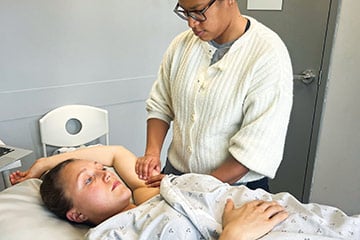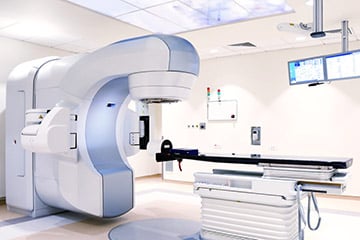


The best time depends on your treatment plan. If possible, physiotherapy can begin before treatment (called prehabilitation) to help prepare your body and improve recovery. After surgery, physiotherapy may begin as early as two weeks later, depending on your surgeon’s recommendations. If you’ve already completed treatment (even months or years ago) you may still benefit from rehabilitation.

Request an Appointment

BY PHONE

Voted top physiotherapy clinic in the Greater Toronto Area 5 years in a row.






Helping You Recover, Regain Function, and Return to the Activities That Matter Most
A diagnosis of head and neck cancer can affect much more than your health. It can impact how you eat, speak, breathe, move, and participate in everyday life. Surgery, radiation therapy, chemotherapy, and other cancer treatments can lead to pain, stiffness, swelling, fatigue, dizziness, and changes in jaw, neck, and shoulder function.
At Cornerstone Physiotherapy, we understand that every cancer journey is different. Whether you are preparing for treatment, currently undergoing treatment, or recovering afterwards, our physiotherapists work with you to reduce side effects, restore movement, and help you return to the activities that are important to you.
Our goal is to improve your quality of life through individualized rehabilitation designed around your specific needs, symptoms, and goals.
What is Head & Neck Cancer?
Head and neck cancer refers to a group of cancers that develop in areas such as the mouth, throat, voice box (larynx), nose, sinuses, and salivary glands. These cancers can affect important functions including speaking, swallowing, breathing, chewing, hearing, balance, and facial movement.
Medical treatment often involves surgery, radiation therapy, chemotherapy, or a combination of these approaches. While these treatments are effective in treating cancer, they can also create physical challenges that continue long after treatment has finished.
Physiotherapy plays an important role in helping you recover safely, manage treatment-related side effects, and regain confidence in your daily life.
Common Challenges After Head & Neck Cancer Treatment
Everyone’s experience is unique, but many people experience one or more of the following:
- Pain in the jaw, face, neck, shoulders, or upper back
- Difficulty moving the jaw, neck, or shoulders
- Swelling or lymphedema of the face and neck
- Fatigue
- Difficulty swallowing or speaking
- Dry mouth or nasal passages
- Coughing or breathing difficulties
- Ear pain or ringing in the ears (tinnitus)
- Dizziness or balance problems
- Changes in vision
- Reduced strength and endurance
- Anxiety, stress, or emotional challenges related to recovery
These symptoms can make everyday activities such as eating, driving, exercising, working, or spending time with loved ones more difficult. Rehabilitation can help.
How Physiotherapy Can Help
Head and neck cancer rehabilitation focuses on improving function, reducing discomfort, and helping you safely return to your everyday activities.
Your physiotherapist may help you:
- Improve neck, jaw, shoulder, and upper body mobility
- Reduce swelling through manual lymphatic drainage techniques
- Improve posture and movement
- Manage pain and scar tissue
- Improve balance and reduce dizziness
- Increase strength and endurance
- Reduce fatigue through guided exercise
- Develop a safe home exercise program
- Learn strategies to manage long-term treatment effects
- Guide a safe return to work and activity
- Navigating your safe return to physical activity and exercise (which is one of the most important predictors of overall survivorship).
Our Head & Neck Cancer Rehabilitation Program
Every person’s rehabilitation journey is different. Your treatment plan is tailored to your symptoms, goals, and stage of recovery.
Before Treatment (Prehabilitation)
If possible, beginning physiotherapy before surgery or radiation can improve your recovery.
During this stage, we help you:
- Understand what to expect during treatment
- Measure your baseline strength, movement, and balance
- Learn exercises to maintain mobility during treatment
- Develop strategies to minimize treatment-related side effects
Being as strong and mobile as possible before treatment can make recovery easier afterwards.
Early Recovery
Physiotherapy can often begin as early as two weeks after surgery, depending on your surgeon’s recommendations.
Your assessment includes a detailed review of your cancer treatment, your current symptoms, and how they affect your daily activities.
Treatment may include:
- Manual therapy
- Manual lymphatic drainage
- Gentle mobility exercises
- Balance and vestibular rehabilitation
- Strengthening exercises
- Pain management strategies
- Education about your recovery
Our focus during this stage is to reduce pain and swelling, restore movement, and help you regain confidence in your daily activities.
Ongoing Rehabilitation
As you continue to recover, your program evolves with you.
Treatment may focus on:
- Returning to work or recreation
- Building strength and endurance
- Managing long-term treatment effects
- Improving independence
- Developing long-term self-management strategies
Our goal is to help you continue making progress while gradually becoming less reliant on physiotherapy visits.
Conditions We Treat
Our Head & Neck Cancer Rehabilitation Program supports people recovering from cancers involving the:
- Mouth and oral cavity
- Throat (pharynx)
- Voice box (larynx)
- Nose and sinuses
- Salivary glands
- Face and jaw
We also treat many of the physical effects associated with cancer treatment, including:
- Neck and jaw stiffness
- Shoulder dysfunction
- Lymphedema
- Scar tissue restrictions
- Dizziness and balance problems
- Pain
- Reduced strength and mobility
- Fatigue
- Functional limitations following surgery or radiation therapy
What to Expect at Your First Appointment
Your first appointment is an opportunity for us to understand your unique experience.
Your physiotherapist will:
- Review your cancer treatment history
- Discuss your goals and concerns
- Assess your movement, strength, balance, and swelling
- Develop an individualized treatment plan
- Provide education and exercises to begin your recovery
Every treatment plan is personalized because every person’s recovery is different.
Why Choose Cornerstone Physiotherapy?
At Cornerstone Physiotherapy, our team has advanced training in cancer rehabilitation, musculoskeletal physiotherapy, vestibular rehabilitation, and lymphatic management.
We understand the unique challenges that come with head and neck cancer treatment and are committed to helping you recover safely and confidently.
Whether your goal is to reduce pain, improve posture, regain neck movement, return to work and play, or simply feel more like yourself again, we’re here to support you throughout your recovery.
Frequently Asked Questions
Can physiotherapy help if my treatment was a long time ago?
Yes. Many people continue to experience stiffness, pain, swelling, fatigue, balance problems, or reduced mobility long after cancer treatment has ended. Physiotherapy can help manage these long-term effects and improve your quality of life at any stage of recovery.
What conditions and symptoms can physiotherapy help with?
Physiotherapy may help with:
- Neck, jaw, and shoulder stiffness
- Pain in the face, jaw, neck, or upper back
- Swelling or lymphedema of the face and neck
- Scar tissue restrictions
- Dizziness and balance problems
- Fatigue and reduced endurance
- Weakness after treatment
- Difficulty returning to work, exercise, or daily activities
- Long-term effects of surgery or radiation therapy
Can physiotherapy help with lymphedema?
Yes. If you have swelling in your face or neck after cancer treatment, your physiotherapist may use manual lymphatic drainage and other techniques to help reduce swelling, improve comfort, and support normal movement.
Can physiotherapy help with dizziness or balance problems?
Yes. Some people experience dizziness or balance changes following head and neck cancer treatment. If appropriate, your physiotherapist can assess these symptoms and provide vestibular rehabilitation and balance exercises to help improve your stability and confidence.
Will physiotherapy help me return to exercise and my normal activities?
Yes. Returning to physical activity safely is an important part of cancer recovery. Research shows that regular exercise is associated with improved quality of life, reduced fatigue, better physical function, and may contribute to improved long-term cancer outcomes. Your physiotherapist will create an individualized exercise program based on your treatment, symptoms, and goals so you can safely rebuild your strength, endurance, and confidence.
Whether your goal is returning to work, caring for your family, golfing, pickleball, gardening, going to the gym, or simply feeling more comfortable throughout the day, we’ll develop a rehabilitation program that helps you safely return to the activities that matter most to you.
Will my treatment plan be personalized?
Absolutely. Every person’s cancer treatment and recovery are different. Your rehabilitation program is tailored to your symptoms, goals, treatment history, and stage of recovery. Your plan will continue to evolve as you progress.
Is physiotherapy safe during cancer treatment and how many treatment will I need?
Yes. Physiotherapy is carefully adapted to your stage of treatment, overall health, and your medical team’s recommendations. We work closely with you to ensure your rehabilitation is safe, appropriate, and progresses at a pace that matches your recovery.
This varies from person to person. Some people only need a few visits for education and exercise guidance, while others benefit from ongoing rehabilitation over several weeks or months. Your physiotherapist will discuss your goals and recommend a treatment plan that’s right for you.
Fee Schedule
We’re Not Your Cancer Rehabilitation Clinic


Meet Our Rehabilitation Pros




Questions? We're happy to help!
Understanding how we can help with you with your condition can be confusing. We’re dedicated to answering any questions you have to help you make the best choice. Contact us today and ask us anything!
Call us at (416) 238-6749Request an Appointment