
Request an Appointment

BY PHONE



by Courtney Steele MScPT
Pelvic Physiotherapist
updated Jan 7, 2026
Cervical cancer is a prevalent pelvic cancer, primarily diagnosed in women under 50 and rarely in those under 20. Advances in screening and treatment mean that many women are now long-term survivors. However, the treatments for cervical cancer can result in long-lasting side effects that impact daily life, comfort, intimacy, and self-confidence.
Fortunately, there is hope. Physiotherapy, specifically pelvic health physiotherapy delivered by a therapist with oncology rehabilitation expertise, is crucial for both recovery and long-term well-being.
What Is Cervical Cancer?
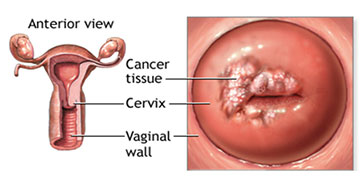
Cervical cancer begins in the cells of the cervix and, if not detected early, can spread to nearby pelvic organs such as the uterus, vagina, bladder, rectum, and pelvic lymph nodes.
Regular, scheduled PAP smears are crucial because early detection through screening is the key to catching cervical cancer, often before it has spread.
Signs and Symptoms of Cervical Cancer
Most women with cervical cancer have no symptoms in the early stages, which is why regular screening is so important.
When symptoms do occur, they may include:
- Abnormal vaginal bleeding (between periods, after intercourse, or after menopause)
- Pelvic pain
- Low back pain
If you experience abnormal bleeding or persistent pelvic pain, it’s important to seek medical attention promptly.
Causes and Risk Factors for Cervical Cancer
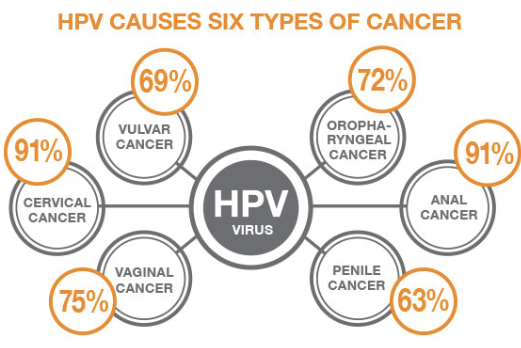
- Human Papilloma Virus (HPV) is a common sexually transmitted virus responsible for over 90% of cervical cancers
- This is why multiple sexual partners and unprotected sex are risk factors for cervical cancer. Protected sex (i.e. using condoms) reduces this risk but does not completely eliminate it
- Other risk factors include smoking and family history of cervical cancer.
HPV Vaccination for Cervical Cancer Prevention
The HPV vaccine is recommended for all genders, ideally at age 11–12 (currently in Canada this is offered in schools around grade 7). Catch-up vaccination (for all of us, like myself, who are too old to have had this is provided in their younger school years) are advised to still get this vaccination up to age 26 if not previously vaccinated to help reduce the risk. The older you are the less effective the vaccination is but better than no vaccination at all.
Widespread vaccination gives us the potential to completely eradicate cervical cancer in the future!
Cervical Cancer Diagnosis: The Screening Process
The initial steps for detecting cervical cancer involve screening using Pap tests and HPV screening. These are crucial for early detection, often catching abnormal cell growth on the cervix before symptoms develop in later stages.
In Canada, routine Pap tests are typically recommended every three years, as long as there are no previous abnormal results. Screening commonly stops after age 70 if the individual has a history of normal results.
If a Pap test shows abnormal results, further diagnostic investigations may be necessary, including:
- Pelvic or transvaginal ultrasound
- Colposcopy (a magnified examination of the cervix)
- Biopsy or LEEP (procedures to remove abnormal cervical tissue)
- Blood tests or additional imaging, if required
Common Treatments for Cervical Cancer
Treatment depends on the stage of cancer and may include:
- Surgery (primary intervention for many cases)
- Chemotherapy
- Radiation therapy (external and/or internal/brachytherapy)
Common Surgeries for Cervical Cancer
- LEEP / LLETZ (fertility-sparing)
- Simple hysterectomy (uterus and cervix removed)
- Radical hysterectomy (uterus, cervix, upper vagina, surrounding tissues, and pelvic lymph nodes)
- Bilateral salpingo-oophorectomy (removal of ovaries and fallopian tubes)
- Radical trachelectomy (cervix removed, uterus preserved to maintain fertility)
- Pelvic exenteration (extensive surgery used in advanced or recurrent disease)
Treatment Side Effects & How Physiotherapy Can Help
You don’t have to “just live with” many common treatment side effects. Pelvic health physiotherapy, especially when provided by clinicians with oncology training, should be considered a standard part of survivorship care.
Sexual Function: Addressing Pain, Sensation, and Orgasm
Following treatments such as surgery and/or radiation for cervical cancer, many women may experience changes in their sexual health, including:
- Painful Intercourse or Penetration:
This can be due to physical changes and tissue sensitivity. - Physical Changes in the Vagina:
Depending on the treatment, these may include vaginal shortening (post-surgery), vaginal narrowing or stenosis (post-radiation), and increased tissue sensitivity (both surgery and radiation). - Altered Orgasm Sensation:
Changes in nerve function or tissue integrity can affect the quality of orgasm.
How Physiotherapy Can Help Improve Sexual Function:
Physiotherapy offers targeted treatments to manage these post-treatment changes:
- Internal Tissue Work:
Techniques such as internal scar tissue mobilization, stretching, and desensitization are used to address physical restrictions and pain. - Pelvic Floor Relaxation:
Guidance on relaxation techniques is provided, which is essential for comfortable and pain-free penetration. - Education and Support:
Patients receive education on comfortable sexual positions and the use of supportive devices. - Tool Guidance:
Recommendations and guidance are provided for therapeutic tools, including vaginal dilators or products like the Ohnut. - Strengthening for Function:
Pelvic floor strengthening exercises are prescribed to enhance sexual function and improve orgasm quality.
Potential Post-Hysterectomy Changes: Abdominal/Pelvic Pain, Scar Tissue, and Prolapse
Following a hysterectomy, women may encounter several physical changes:
- Persistent Pain:
Ongoing discomfort in the pelvic or abdominal region. - Scar Tissue:
Tightness or restriction related to surgical scar tissue. - Pelvic Organ Prolapse Risk:
An elevated chance of developing pelvic organ prolapse - Painful Intercourse (Dyspareunia):
A radical hysterectomy, which removes the upper portion of the vagina, often results in a shorter vaginal canal and can lead to painful intercourse. - Sudden Menopause:
If a bilateral salpingo-oophorectomy (removal of both ovaries and fallopian tubes) is performed simultaneously, the woman will enter sudden, or surgical menopause, which is associated with various side effects.
Physiotherapy can help by:
- Improving scar mobility and tissue flexibility
- Teaching safe strengthening strategies
- Reducing pain and pressure symptoms
- Supporting long-term pelvic health
Managing Urinary Changes
Urinary issues affect up to 76% of women following cervical cancer treatment. These changes often result from:
- Nerve damage caused by surgery.
- Radiation’s effect on the bladder’s ability to hold urine.
Common symptoms include:
- Urinary leakage or a sudden, strong need to urinate (urgency).
- Difficulty fully emptying the bladder (urinary retention).
How Physiotherapy Can Help
Physiotherapy offers effective strategies to manage these symptoms:
- Bladder retraining and timed voiding to improve bladder capacity and prevent retention.
- Pelvic floor exercises:
- Strengthening to help control incontinence.
- Relaxation to reduce urgency.
- Toileting techniques that promote complete emptying, which can help lessen both retention and the frequency/urgency of urination.
Managing Bowel Dysfunction
Following surgery and radiation, individuals may experience:
- Bowel urgency (often noted after radiation)
- Difficulty with bowel emptying or constipation
- Reduced social confidence due to these issues
Physiotherapy plays a supportive role in bowel health by offering:
- Pelvic floor muscle retraining and strengthening to assist with continence.
- Techniques designed to enhance relaxation (for urgency) and improve coordination (for emptying).
- Education on optimal strategies for effective bowel emptying.
- Basic dietary advice, with professional referrals to our in-house registered dietitians when further guidance is necessary.
Managing Lymphedema After Cervical Cancer Treatment
Lymphedema, a potential side effect of pelvic lymph node removal and radiation, may cause swelling, a feeling of heaviness, aching discomfort, and reduced mobility in the pelvis, abdomen, or leg.
Physiotherapy offers several treatment strategies, including:
- Complete Decongestive Therapy (CDT):
Utilizing manual lymphatic drainage techniques. - Compression Therapy:
Providing education on appropriate compression garments and bracing options. - Scar Management:
Techniques aimed at reducing scar tissue restrictions to optimize fluid movement. - Function and Comfort Improvement:
Enhancing the use and comfort of the affected limb.
Chemotherapy-Induced Peripheral Neuropathy
Many chemotherapy drugs affect the peripheral nerves, leading to:
- Numbness or tingling in hands and feet
- Balance issues and increased fall risk
- Reduced dexterity
Physiotherapy can help by:
- Balance and gait retraining
- Sensory re-education techniques
- Strength and coordination exercises
- Improving confidence and independence
Medically Induced Menopause
When menopause is medically induced, symptoms can onset suddenly and intensely, rather than the gradual transition of natural menopause. This rapid change can feel overwhelming, and many patients express being unprepared. They often wish they had been better informed to understand and prepare for the changes occurring in their bodies.
Common menopausal symptoms include:
- Vaginal dryness
- Whole-body and pelvic floor muscle weakness, which increases the risk of prolapse and incontinence
- Reduced tissue elasticity and increased tissue sensitivity, potentially leading to sexual pain
- Loss of bone density
Physiotherapy is essential for managing these symptoms by:
- Providing recommendations for suitable vaginal lubricants and moisturizers
- Implementing strengthening exercises for both the entire body and the pelvic floor
- Working to improve tissue flexibility to enhance function and comfort
- Creating safe, personalized strength training programs to support and maintain bone health
In Summary
Cervical cancer treatment can save lives, but survivorship deserves just as much care and attention.
Pelvic health physiotherapy with oncology rehabilitation training can significantly improve quality of life, helping women regain comfort, confidence, and control over their bodies.
If you are a cervical cancer survivor experiencing ongoing symptoms, know that help is available, and you do not have to navigate this alone.


Questions? We're happy to help!
Choosing the right service provider can be a big decision. We’re dedicated to answering any questions you have to help you make the best choice. Contact us today and ask us anything!
Call us at (416) 238-6749Request More Information
