
Request an Appointment

BY PHONE



by Giacomo Silvestri MScPT
Registered Physiotherapist
updated Jan 6, 2026
We aren’t just experts on cycling injuries; we are in the saddle with you! This year, a dedicated team of Cornerstone staff is riding 200km from Toronto to Niagara to raise funds for the Princess Margaret Cancer Centre.
We are riding to support our oncology patients and loved ones affected by cancer. You can support our journey by Donating to the team or even Joining us on the ride. To help all participants cross the finish line safely, we’ve put together the ultimate injury prevention guide for your training.
Riding your bike should be fun, not painful! This section equips you with tools to reduce the likelihood of injury while training. Follow these strategies before you start training or experience discomfort for maximum benefit. If you develop new or worsening pain, consult a trusted healthcare provider who understands the demands of a long-distance cycling event.
You can limit many cycling-related injuries by following general principles in your training. These “rules” will help your body slowly accommodate to the demands of the 2026 PMCF Ride to Conquer Cancer and help you be ready to go for the big weekend!
Load Management Principles
Training load is the total stress training puts on your body. It factors in the intensity (how hard) and volume (how much) you train. When talking about training, “stress” is a good thing! Your body works hard (it’s stressed) during a training session and, as you recover, become fitter! In an event like the Ride to Conquer Cancer, this not only applies to your cardiovascular system (heart and lungs) but also your musculoskeletal system. Your muscles, bones and joints need to get used to cycling over a long (extremely fun) distance to prevent injury.
Here are 5 load management principles to make the most of your training:
1. Consistency is Key
Fitness is built by showing up repeatedly, not by occasional big efforts. A training plan only works if it can be executed week after week. Missed sessions and stop-start training (due to injury/overtraining) are not a productive strategy. If it isn’t sustainable for months, it isn’t real training.
2. Slow and Steady Progress
Your heart and lungs adapt faster than your muscles, joints and tendons. Gradual increases in volume (about 5% per week) protect against injury and allow durability to develop. Time should be added before intensity, and sudden jumps in workload are the most common cause of breakdown. Progress that feels boring is usually progress that lasts.
3. Intensity is a Tool
Intensity is meant to sharpen fitness, not replace endurance work. One or two hard sessions per week is enough for adaptation without excessive fatigue. When every ride feels hard, intensity loses its purpose and recovery suffers. Easy days must stay easy for hard days to matter.
4. Pain is a Signal
Some muscle soreness is normal when training, especially when you’re new. Pain in joints, sharp discomfort, or pain that gets worse from ride to ride is your body asking for a change. Pushing through these signals doesn’t speed up progress, it usually slows it down. Addressing pain early helps you stay consistent and enjoy training long term.
5. Recovery is Productive
Adaptation happens during recovery, not during the workout itself. Planned rest days and lighter weeks allow the body to absorb training stress. Sleep and nutrition are essential components of recovery, not optional extras. Without recovery, training accumulates fatigue instead of fitness.
Following these principles will help you build fitness safely, consistently, and with confidence. By progressing gradually, using intensity wisely, listening to your body, and prioritizing recovery, you reduce the risk of injury and burnout!
Preventing & Managing Cycling-Related Pain
Many new cyclists ache or discomfort as their body adapts to time in the saddle. These issues are common, manageable, and usually improve with the right combination of exercises, positioning, and recovery. The goal is not to “push through,” but to help your body adapt safely.
Neck Pain
Neck discomfort often develops because you’re holding your head up for long periods while your upper back stays rounded. Over time, the muscles in your neck work harder than they should and begin to fatigue, especially on longer rides.
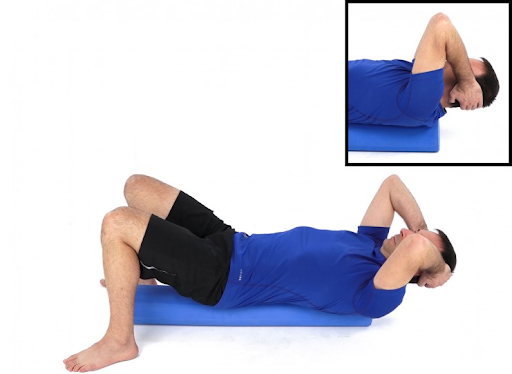
Cervicothoracic Junction Mobilization (3 sets of 10 repetitions)
- Lie with a foam roller along your spine with the top edge where your neck meets your upper back.
- Supporting your head with your hands and with elbows together, gently drop your head down towards the ground. Do not let your head tip backwards – look at the ceiling.
- Bring your head back to the start position and repeat.
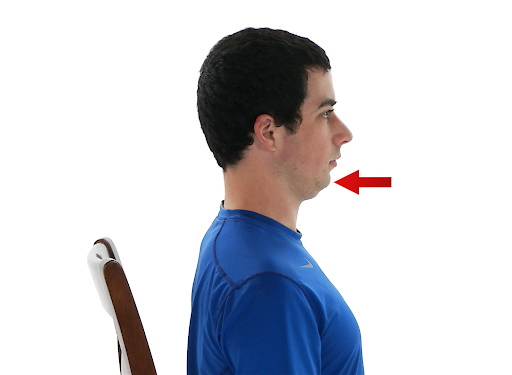
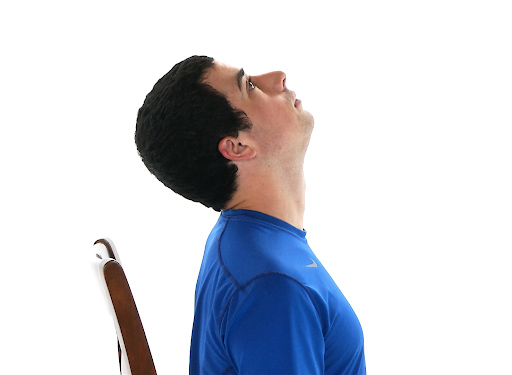
Cervical Retraction + Extension (10 repetitions every 2 hours)
- Sit tall with your back against a stiff chair.
- Slowly tuck your chin back while keeping your eyes forward (don’t tip down).
- Move your head backwards to look towards the ceiling.
- Return to the neutral position, then release your chin and repeat.

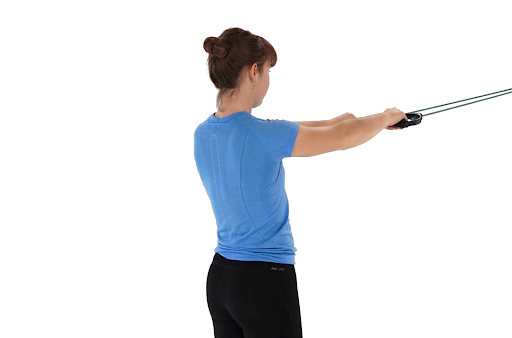
High Row (3 sets of 15-20 repetitions)
- Stand with your chin tucked, holding an exercise band anchored at eye level.
- With your arms out in front, palms facing down, pull back on the elastic while keeping your elbows at shoulder height.
- Squeeze the shoulder blades together at the end of the movement and slowly return to the starting position.

Low Back Pain
Pain in your low back is very common when you’re new to cycling, especially as your rides get longer. This usually comes from spending extended time bent forward combined with limited core endurance. Sharp pain, pain that travels into your leg, or discomfort that worsens with each ride is not normal and should be addressed rather than pushed through. Note: if you notice an increase in leg pain/numbness, reduced range of motion and changes in bowel/bladder function – please consult your healthcare provider immediately.
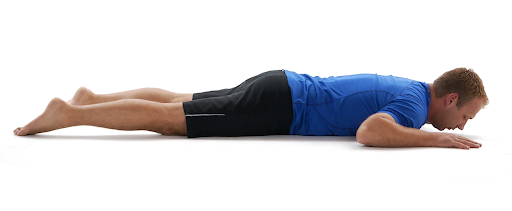
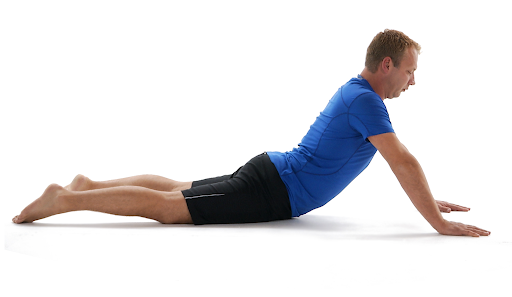
Repeated Lumbar Extension (10 every 2 hours) – perform if sitting increases pain
- Lie on your stomach with your hands next to your face.
- Push up with using arms keeping your glutes relaxed and pelvis against the ground.
- It is OK to feel a small amount of discomfort in your back as long as your range of motion improves.
- Return to the starting position and repeat.


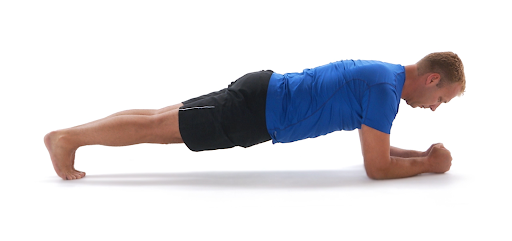
Plank (3 sets of 30-60 seconds)
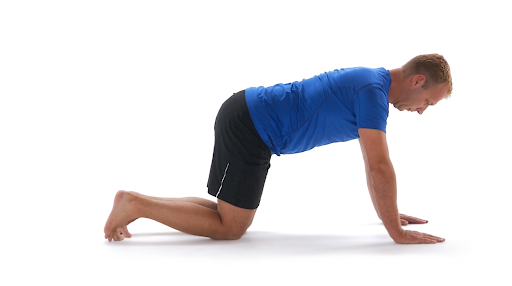
- Start on all fours, then prop yourself up on your forearms with your chin tucked.
- Lift your body, creating a straight line with your pelvis tucked under you slightly.
- Maintain the position without arching your lower back.
- Note: if this is too hard or causes back pain – prop yourself on your knees.


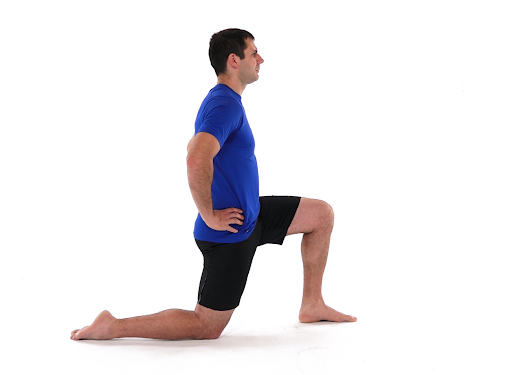
Hip Flexor Stretch (4 sets of 30-60 seconds per side)
- Kneel with one knee under your hip and make a 90° angle with the forward leg.
- Tilt your pelvis backwards to flatten your lower back and transfer your weight forward until you feel a gentle stretch on the front of the kneeling leg.
- Maintain your upper body upright and your lower back flat.
- Relax into the position and hold.
Knee Pain
Knee discomfort often shows up when your legs fatigue or your hips aren’t controlling movement well as you pedal. It is often related to fatigue, alignment, or strength imbalances rather than impact. Improving how your knee tracks over your foot, strengthening your hips and hamstrings, and addressing hip tightness can significantly reduce knee stress and improve comfort as you train.
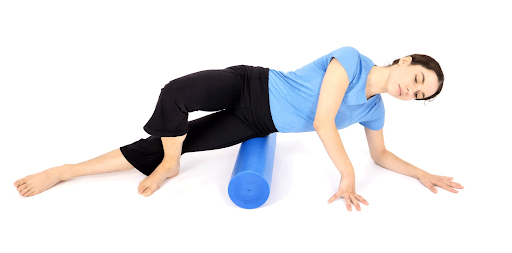
Tensor Fascia Latae (TFL) Release (2-3 minutes per side)
- Lie on your side with the outside of your hip (towards the front) over a foam roller and your other leg in front for support.
- Roll over the TFL muscle that is situated on the side of your hip near the tip of your pelvis until you find a tender area.
- Roll slightly or hold pressure on the tender area until you feel the tension and discomfort dissipate.
- Once the discomfort/tension improves, roll again to find similar areas and repeat.

Hamstring strengthening
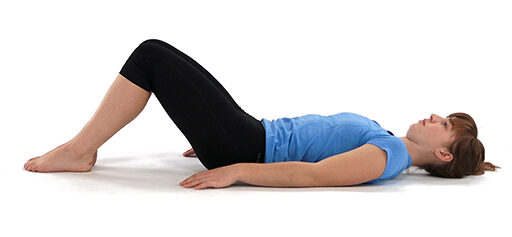
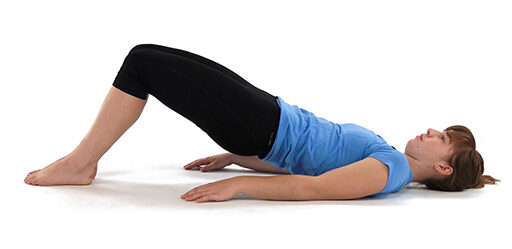
- Glute Bridge (3 sets of 12 repetitions)
- Lie on your back with your knees bent.
- Contract your glutes to lift your hips off the ground until your low back lines up with your legs.
- Think about pushing your feet forwards while maintaining contact with the ground.
- Slowly return to the initial position and repeat.
- Note: if 12 repetitions is too easy, try this exercise with one leg or a weight on your hips


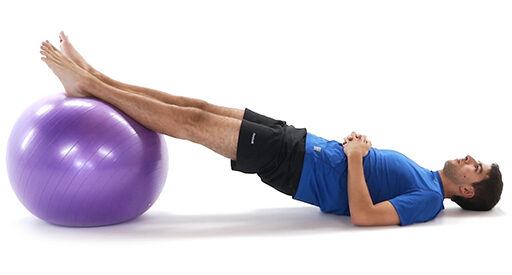
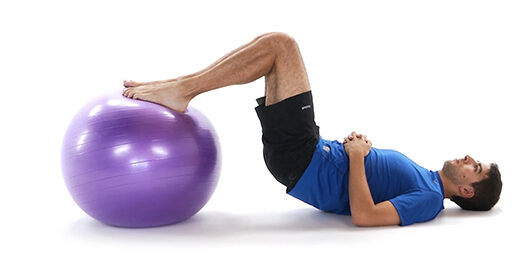
Hamstring Roll (3 sets of 12 repetitions)
- Lie on your back with your legs straight and your ankles on a ball.
- Lift your hips off the ground so your legs and torso are in a straight line.
- Roll the ball towards your glutes by bending your knees with your hips up.
- Roll the ball back to the starting position and bring your hips to the ground.


Hand Pain & Numbness
Hand discomfort usually occurs when too much of your body weight is supported through your hands during riding. Prolonged pressure on your palms, limited position changes, and core fatigue can increase stress on sensitive nerves. Improving weight distribution through proper bike fit, using padded gloves or handlebars, and strengthening your core to support your posture can significantly improve your hand discomfort while riding.
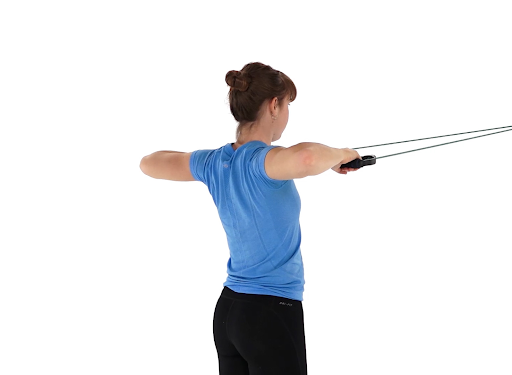
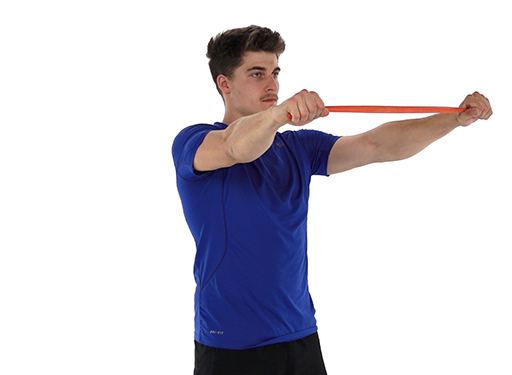
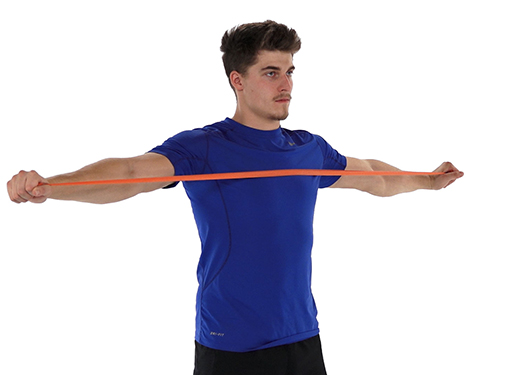
Band Pull Apart (3 sets of 15-20 repetitions)
- Stand with your arms in front of you holding a band shoulder width apart
- Squeeze your shoulder blades together and chin tucked in slightly.
- With the band taut and palms facing down, move your arms apart.
- Return to the starting position and repeat.
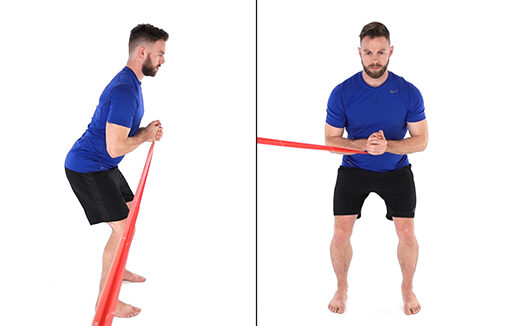
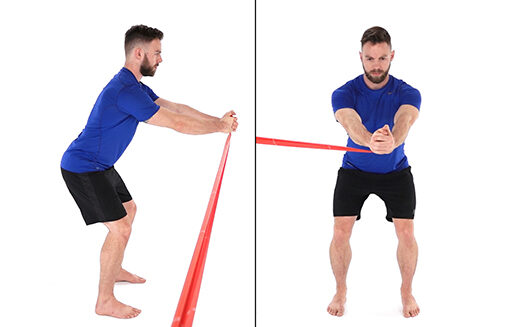
Palloff Press (3 sets of 12 repetitions)
- Maintain a slight squat position with an elastic band in your hands, attached at chest height 90° to you.
- Squeeze your shoulder blades together and keep your hands/elbows low.
- Brace your core gently and press your hands forward in line with your chest.
- Hold the position for a few seconds and slowly return to the starting position.


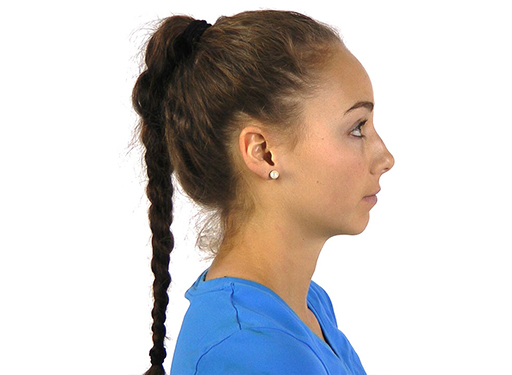
Cervical Retraction (10 every 2 hours)
- Sit upright against a straight chair.
- Look at an object at eye level and slowly move your head back, tucking your chin.
- Guide the movement by placing your finger on your chin and add gentle pressure at the end of the movement.
- Return to the starting position and repeat.

Injury prevention is about helping your body adapt, not pushing through warning signs. By managing training load, addressing discomfort early and simple exercises, you can reduce the risk of injury and stay consistent with your training. If pain persists or you’re unsure how to modify your program, find a healthcare provider who can assess your movement, address contributing factors, and guide you toward safe, confident cycling as you prepare for the ride!
“Exercise images provided courtesy of Wibbi”


Questions? We're happy to help!
Choosing the right service provider can be a big decision. We’re dedicated to answering any questions you have to help you make the best choice. Contact us today and ask us anything!
Call us at (416) 238-6749Request More Information
