
Request an Appointment

BY PHONE



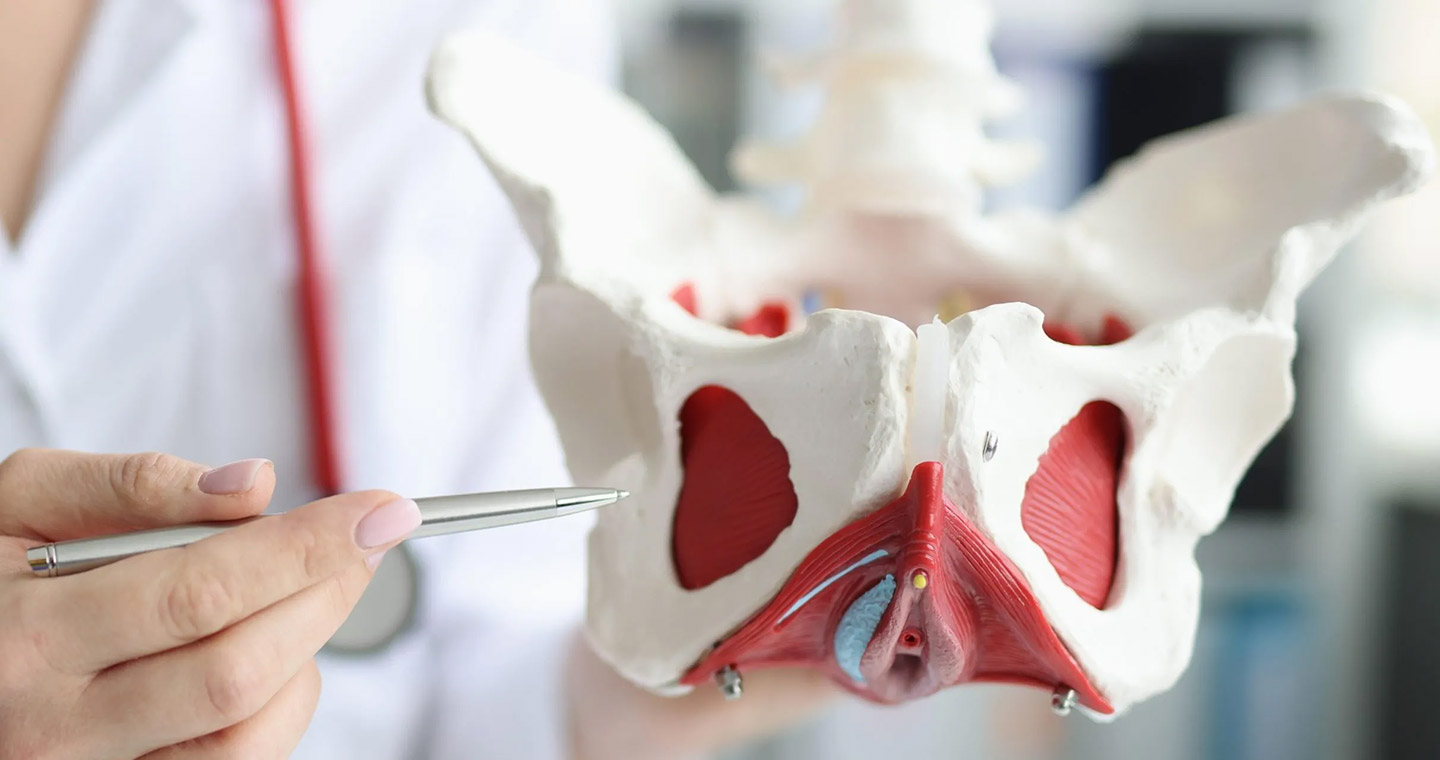
Welcome to Cornerstone Physiotherapy’s Pessary Fitting Service.
We understand how frustrating and limiting symptoms like pelvic pressure, heaviness, or bladder leaks can feel. Whether it’s affecting your ability to exercise, work, or simply go about your day comfortably, these symptoms can have a real impact on your quality of life.
At Cornerstone Physiotherapy, we offer pessary fitting as a non-surgical treatment option for pelvic organ prolapse and stress urinary incontinence. This service is currently available at our Richmond Hill clinic and is provided by a certified pessary fitter with specialized training.
Pessaries are a safe, effective, and reversible option that can help relieve symptoms and support your return to the activities you enjoy.
Using Pessaries to Support Pelvic Health
Pelvic organ prolapse occurs when the support structures of the pelvic organs weaken, allowing organs such as the bladder, uterus, or rectum to shift downward. This can lead to symptoms like pressure, heaviness, or bladder leakage.
A pessary is a small, soft, medical-grade device placed inside the vagina to provide support. It acts like a gentle internal brace to help support pelvic organs and can often provide immediate symptom relief.
These conditions are common after childbirth, during menopause, or as we age and they are very treatable.
Many people wonder if they need to try pelvic floor physiotherapy first before considering a pessary. In reality, these approaches work very well together. A pessary can provide immediate support and symptom relief, while physiotherapy focuses on improving strength and function over time. Using both can help you stay active, participate more comfortably in exercise, and achieve better overall results.
Do pessaries actually work?
Research shows that pessaries are a highly effective and well-tolerated treatment option for many individuals.
Around two-thirds of people (66-75%) continue using a pessary long-term, which reflects strong satisfaction and symptom relief. Importantly, about 90% of users report no significant complications, making pessaries a very safe option.
For those experiencing bladder leakage, outcomes can be especially encouraging. Studies show that up to 68% of individuals report becoming dry, and even more experience meaningful improvement in symptoms.
The first few weeks are often the most important. Most people who stop using a pessary do so early, within the first month. However, if the pessary feels comfortable and works well after the initial adjustment period, it is very likely to remain a successful long-term solution.
In many cases, pessaries can provide symptom relief comparable to surgical options, without the risks or recovery time associated with surgery.
Why Use a Pessary?
A pessary may be recommended to:
- Reduce symptoms of pelvic organ prolapse (pressure, heaviness, bulging)
- Help manage stress urinary incontinence
- Support daily activities and exercise
- Provide a non-surgical treatment option
- Work alongside pelvic floor physiotherapy
Treatment is always individualized based on your symptoms, goals, and lifestyle.
Types of Pessaries
Your pelvic floor physiotherapist will help determine the best option for you based on your symptoms and anatomy:
- Ring pessary: Commonly used, flexible, and suitable for mild prolapse or incontinence
- Cube pessary: Provides suction-based support, often used for more advanced prolapse
- Gellhorn pessary: Offers firmer support for moderate to more significant prolapse
About Your Pessary Fitter
 Aparnaa Nandakumar MScPT
Pelvic Physiotherapist and Certified Pessary Fitter
Aparnaa provides pessary fittings as part of Cornerstone’s Pelvic Health Program. With specialized training and experience in treating pelvic organ prolapse and urinary incontinence, she helps individuals find effective, non-surgical solutions to improve comfort, function, and quality of life.
She understands that prolapse and bladder symptoms can feel overwhelming, and that many people assume surgery is their only option. Through a compassionate, evidence-informed approach, Aparnaa supports patients in exploring conservative treatments tailored to their individual needs and goals.
A key part of her care is patient education. She takes the time to explain your diagnosis, discuss all available options, including pessary management and pelvic floor physiotherapy, and ensure you feel confident, supported, and informed throughout your treatment journey.
What to Expect at Your Appointment
Pessary fittings are generally simple and comfortable:
- Consultation: We review your symptoms, medical history, and goals.
- Pelvic Exam & Sizing: A gentle assessment helps determine the most appropriate pessary type and size.
- Insertion: The pessary is inserted and adjusted for comfort. Many individuals feel immediate support.
- Care Instructions: You’ll be guided on how to remove and clean your pessary at home if appropriate, or we can arrange clinic-based care.
- Follow-Up: A follow-up appointment ensures proper fit and comfort, with ongoing support as needed.
Cost & Insurance Information
Pricing:
- Initial pessary fitting (60 minutes): $270 (eligible for physiotherapy direct billing)
- Pessary device: $125 + tax (not directly billed)
- Follow-up (30 minutes): $120 (eligible for physiotherapy direct billing)
Insurance Notes:
- Physiotherapy services may be covered under your plan
- The pessary is a medical device and is not directly billed by the clinic
- It may be eligible for reimbursement under Medical Supplies and Equipment, Surgical Supplies, or Prosthetics/Orthotics depending on insurance provider
- Coverage varies by provider, please confirm with your insurance company
Prescription Requirement for Booking
A prescription from your doctor is required before booking your pessary fitting.
Many insurance providers require documentation stating medical necessity (e.g., pelvic organ prolapse or stress urinary incontinence).
Important:
If you plan to submit the pessary device for reimbursement, please obtain a doctor’s note before your appointment.
Pessary Fitting Service Location
This service is currently offered at our Richmond Hill clinic.
However, due to the specialty nature of our Pessary Fitting Service, we help patients in nearby communities such as North York, Markham, Toronto and Mississauga.
Book Your Appointment
Book your pessary fitting appointment at Cornerstone Physiotherapy by calling (416) 238-6749 or emailing [email protected] to get started.

Questions? We're happy to help!
Choosing the right service provider can be a big decision. We’re dedicated to answering any questions you have to help you make the best choice. Contact us today and ask us anything!
Call us at (416) 238-6749Request More Information
